
January Gardening Checklist
The rest of the country starts gardening in Spring. But here, in Southern California, if you start in Spring, you’re already too late.
To avoid playing catch up, I’ve created a quick list of all the January Gardening Tasks. Unlike other locations in the country, there’s a lot to do in Zone 10, so let’s get started.
January Gardening Tool Maintenance
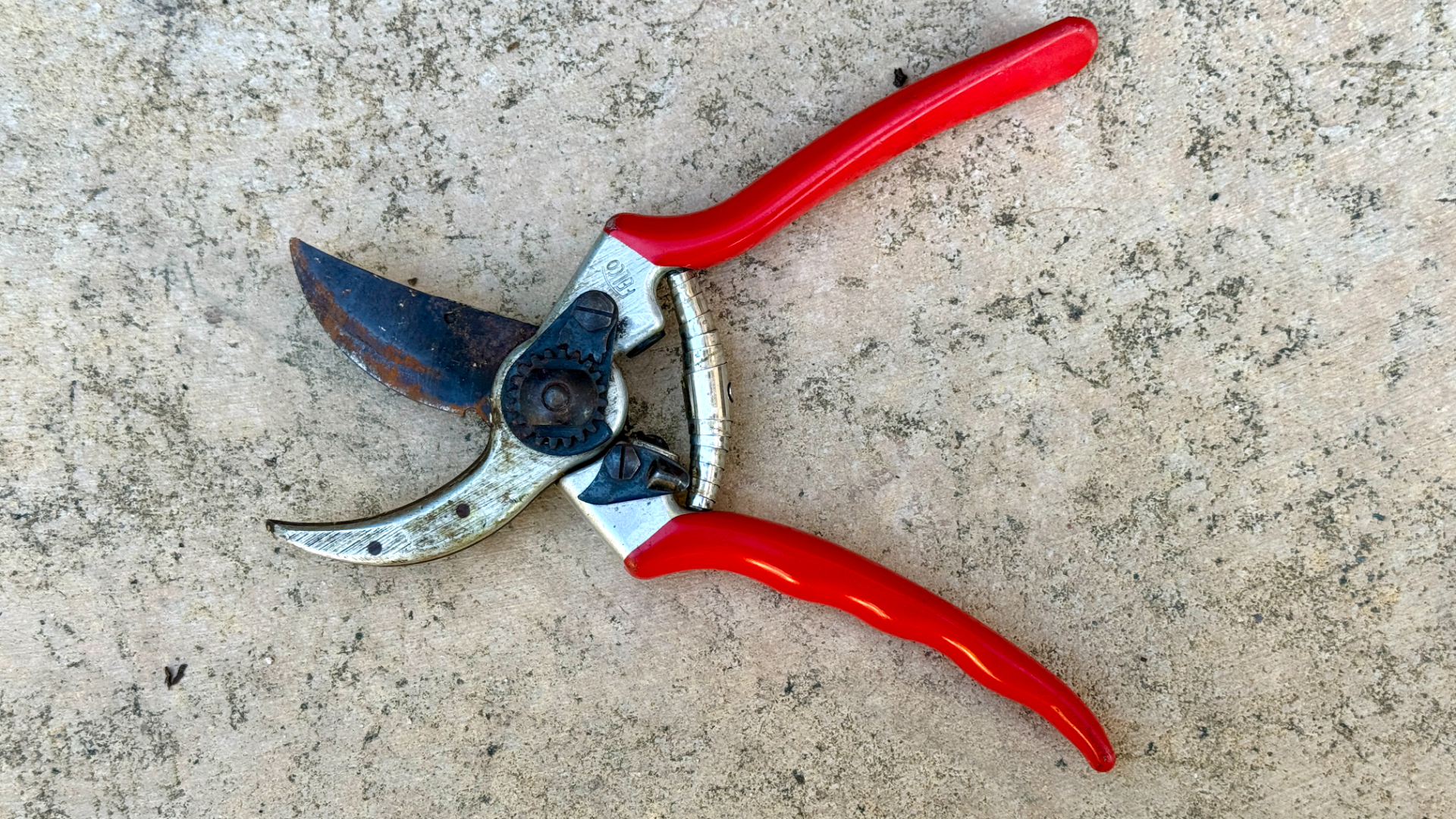
Because I garden all year long, all of my tools are usually filthy by January. Case in point, my Felco No. 2 pruners above. Not only can dirty tools spread disease, they’re also dangerous. To avoid accidents when you garden, always keep your blades sharp and your shoes treaded.
So, before you do anything else:
- Clean and sanitize your pruners
- Clean your galoshes, boots or Crocs
What Annual Flowers To Plant In January
Annuals are one and done plants, but they’re worth it because they’re also the most stunning. To get a good show in the spring, make sure to get all of your annuals in the ground now, so they can get established. The goal in January is to get annuals established now so they can focus on flowers in spring, not root-building when temperatures start warming up.
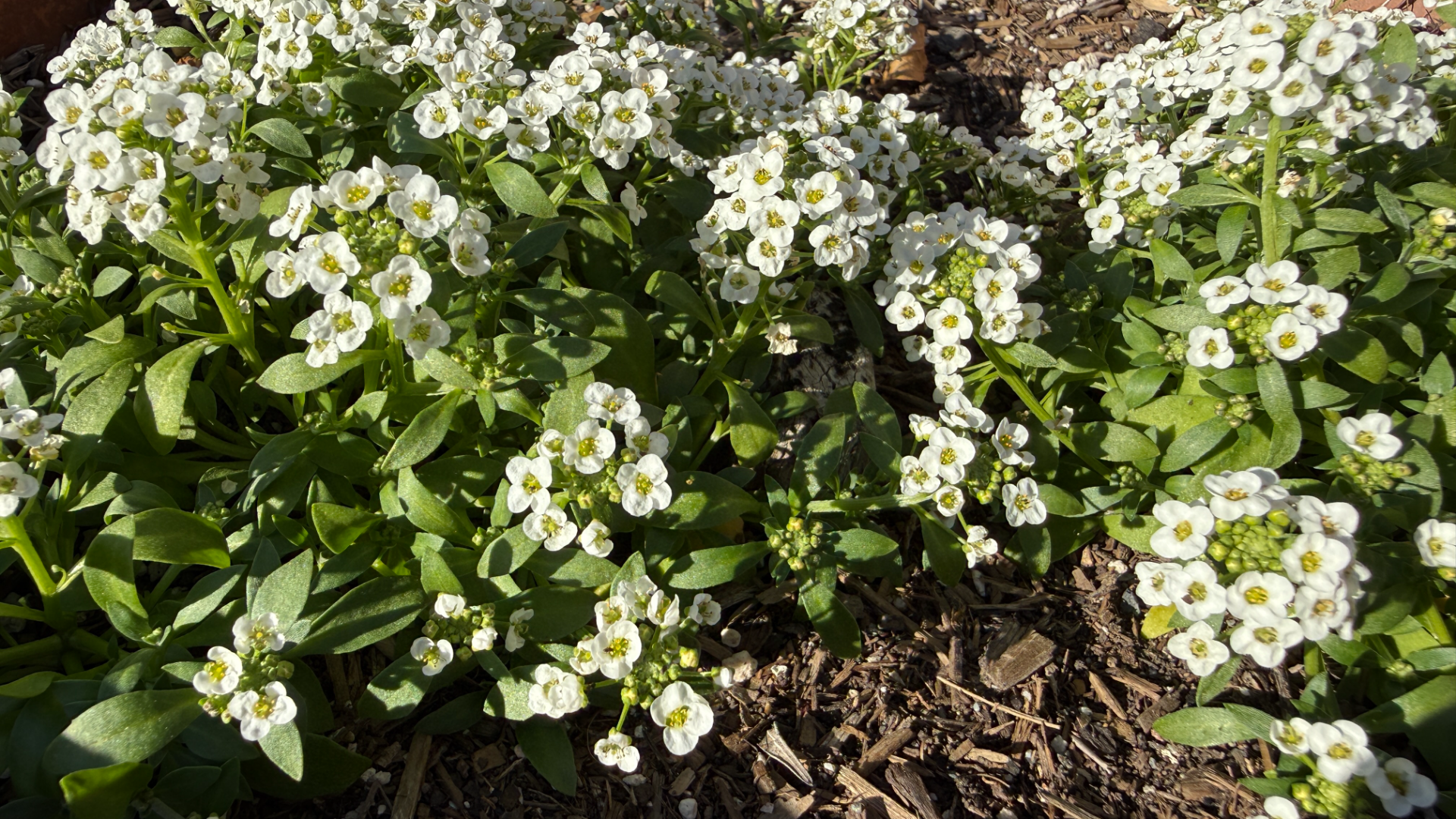
Transplant These Annual Flowers in January:
- Alyssums
- Anemones
- Violas
- Pansies
- Poppies
- Foxgloves
- Delphiniums
- Larkspur
- Sweet Peas
- Stock
- Scabiosa
Sow These Annual Flower Seeds in January:
- Sweet Peas (Almost too late)
- Wildflowers (Almost too late)
If you’re planting either of these from seed, don’t wait—January is the edge of the window in most of coastal Southern California.
What to Fertilize in January
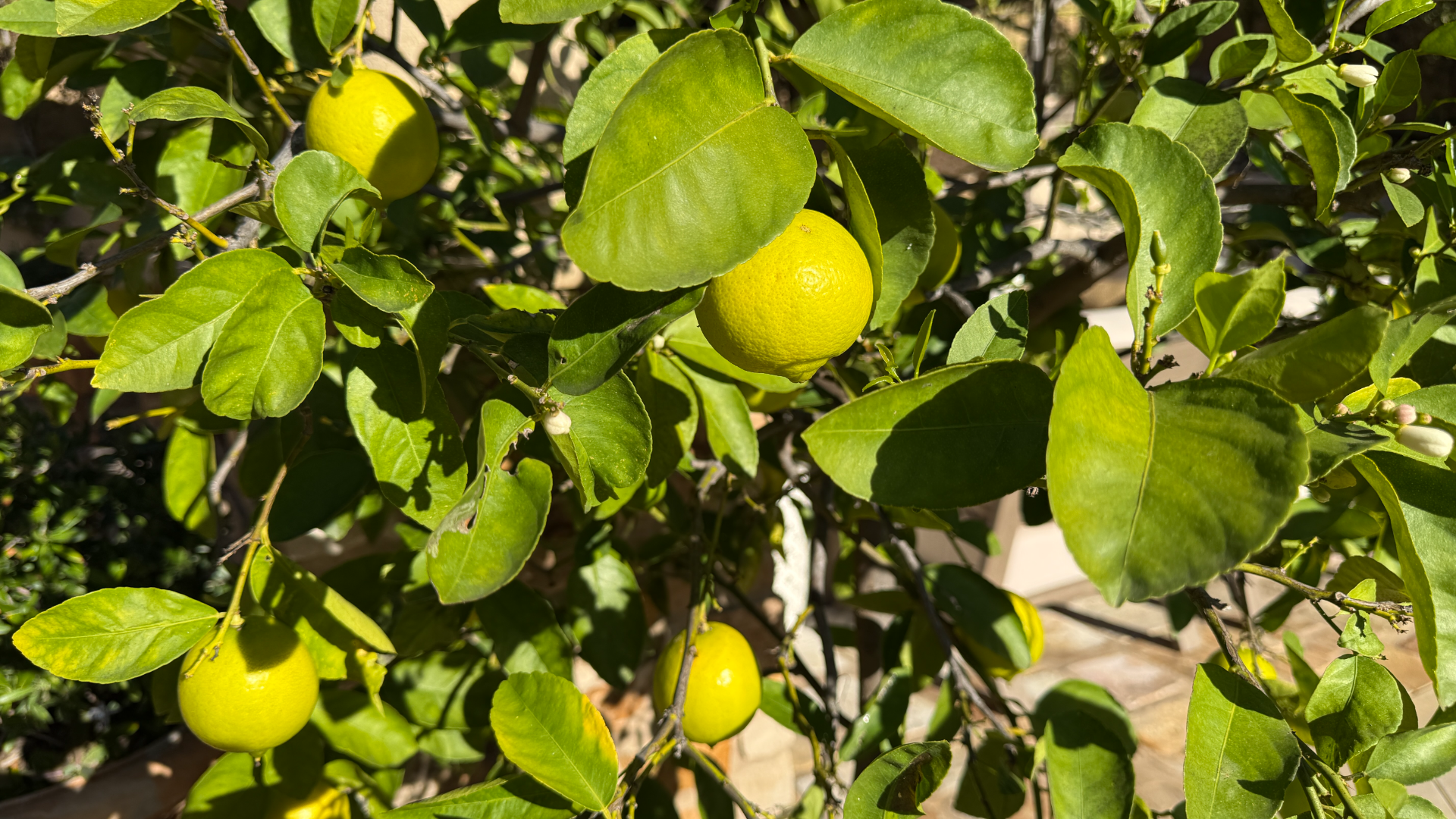
Because annuals are fast-growing and bloom-heavy, they need more fertility than most perennials.
Fertilize in January
- Roses (add a magnesium boost if you like using Epsom salt)
- Annual flowers (to support continuous blooms)
- Brassicas (heavy feeders): broccoli, cauliflower, cabbage, kale
- Citrus trees
- Avocado trees
- Azaleas
Don’t fertilize camellias yet
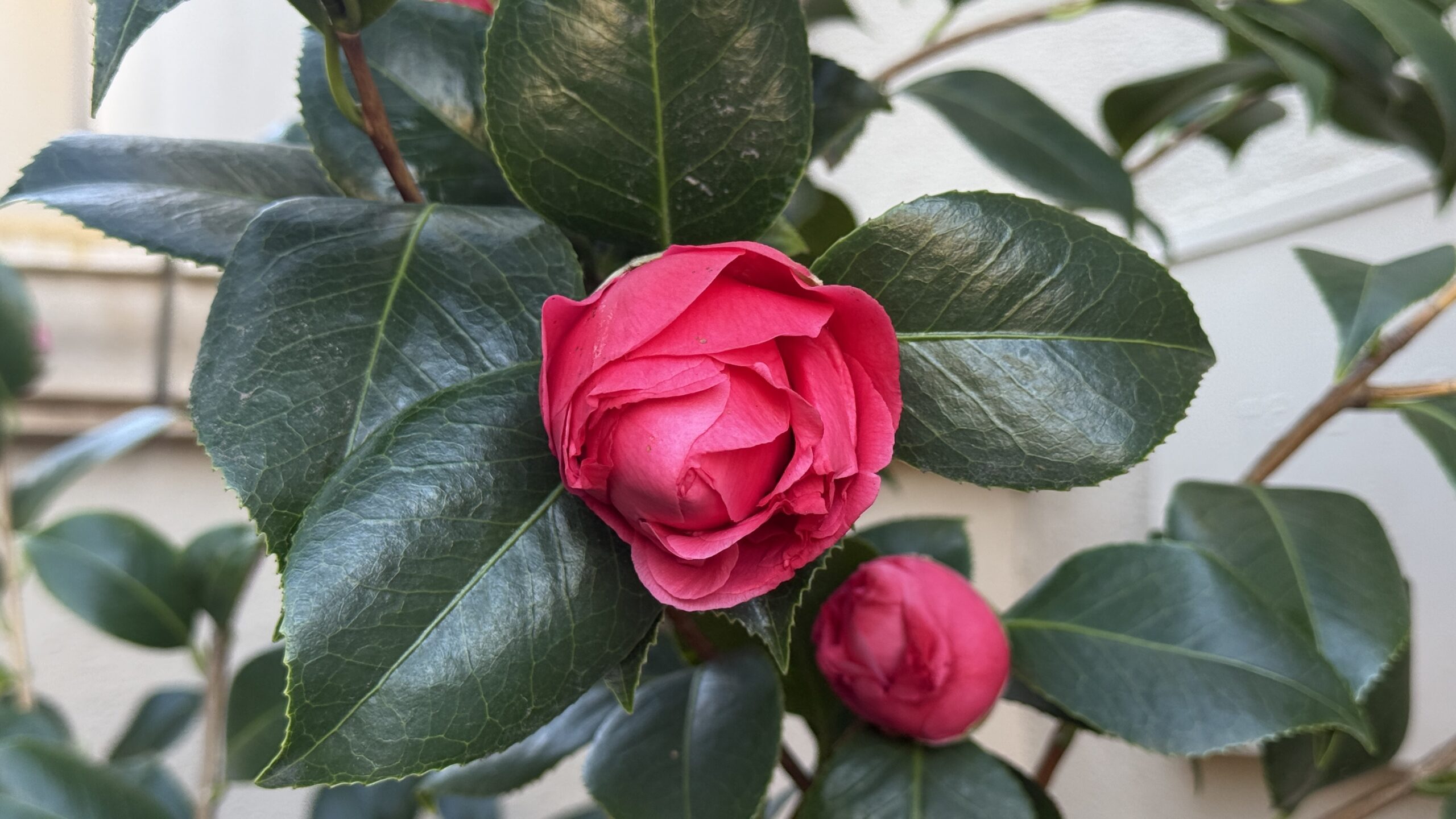
Camellias are often fertilized around the same time as azaleas—but not while they’re flowering. Even though camellias look active, wait until they finish blooming before feeding.
If you want blue hydrangeas, start now
Southern California soil tends to be alkaline, which pushes hydrangeas pink. If you want to keep or shift them blue, add a blueing formula now and stay consistent (it’s not a one-time fix).
What to Deadhead In January
Annual plants produce flowers with the intent to grow seeds. Once they grow seeds, they typically die. To prevent that, the flowers have to be deadheaded before they go to seed. Deadhead all of your annual plants in January to keep them flowering much longer and much more tidy.
What to Prune In January
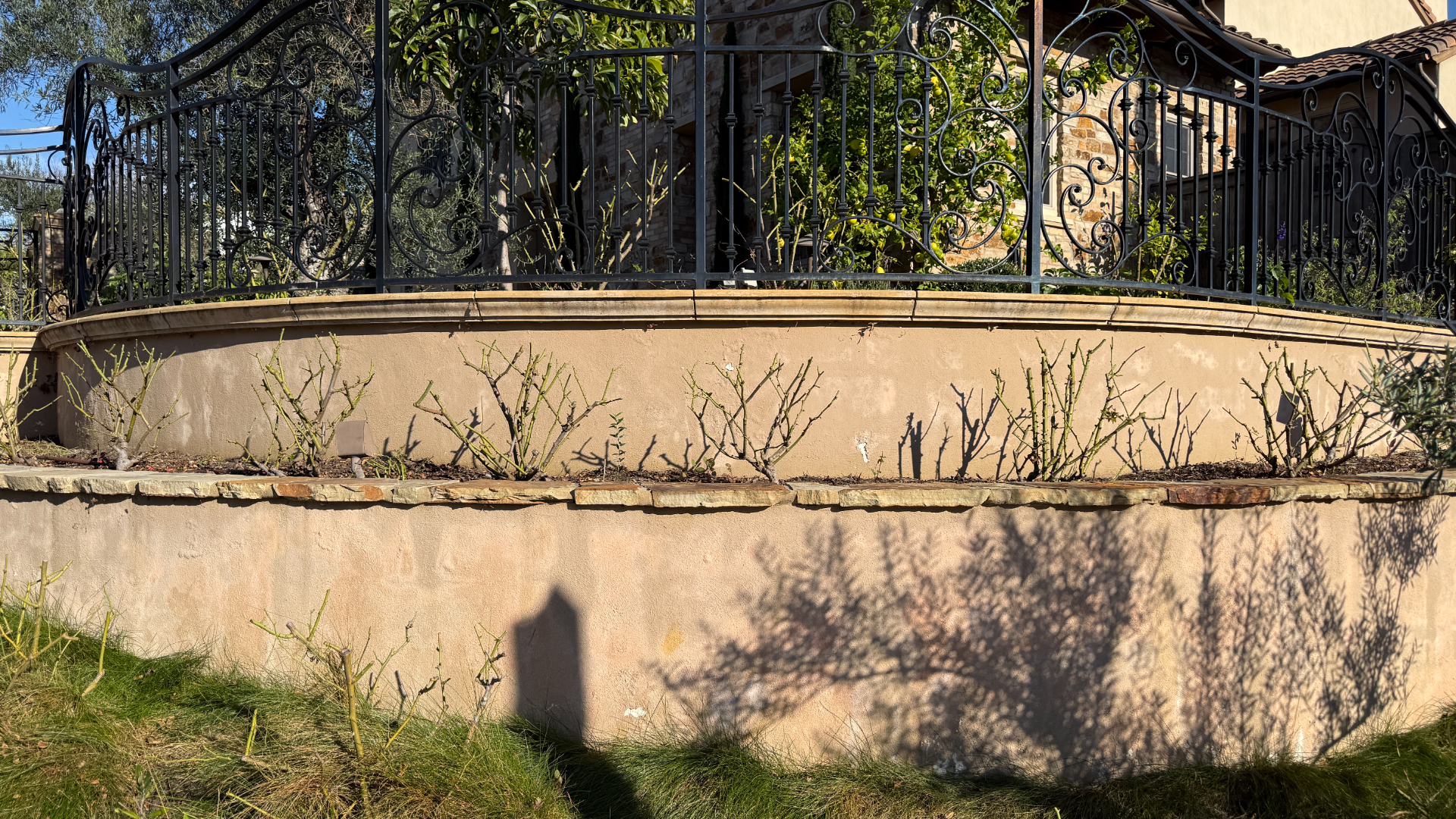
In January, Southern California Gardens start to look a little raggedy. To tidy things up a bit, pinch off all of the growth that’s starting to look worn. I also prune butterfly bushes about 75% and azaleas for shape.
Hard prune roses down to 2 feet off the ground and defoliate all of the leaves to stop mildew and rust from overwintering.
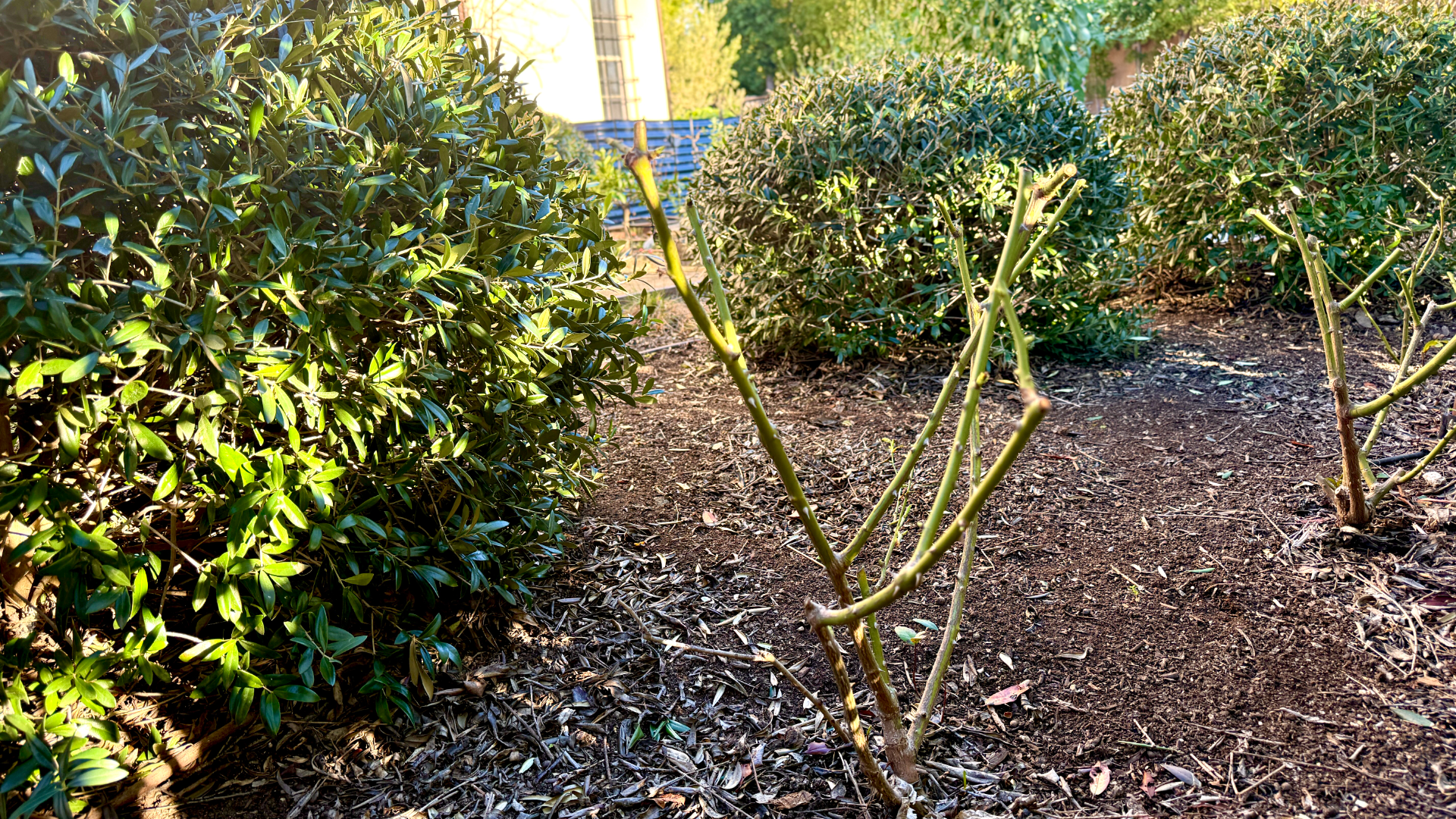
You can also prune hydrangeas, but only if you know what kind you have. Most hydrangeas bloom on old wood. But newer varieties are everblooming, which means that they bloom on new wood. If they’re everblooming, it’s safe to do a light pruning now. But if they’re not, leave them alone – otherwise they won’t flower for 2 years.
At this time of year, salvias start to put out a lot of new growth. Cut back all the old growth now, so the new growth can bloom. This technique also goes for other ornamental herbs, like lavender.
It’s also safe to prune back grapes, because they’re dormant in January. Never prune grapes when they have leaves, because they store water in their vines when they’re actively growing. If you prune now, the water is stored in the roots, which means it won’t drip out if you cut them now. Grapes can be either spur pruned or cane pruned (I prefer cane pruned, because it’s easier). .
January is also a great time to remove all crossing branches from your stone fruits, peaches, apples, roses, and shrubs.
And finally, be sure to cut back all of your ornamental grasses, if you cut them sooner than January, then the birds won’t come from the seeds. And if you cute them later, they’ll start to look raggedy. So, it’s a great time to cut them back now.
What Perennials to Plant In January
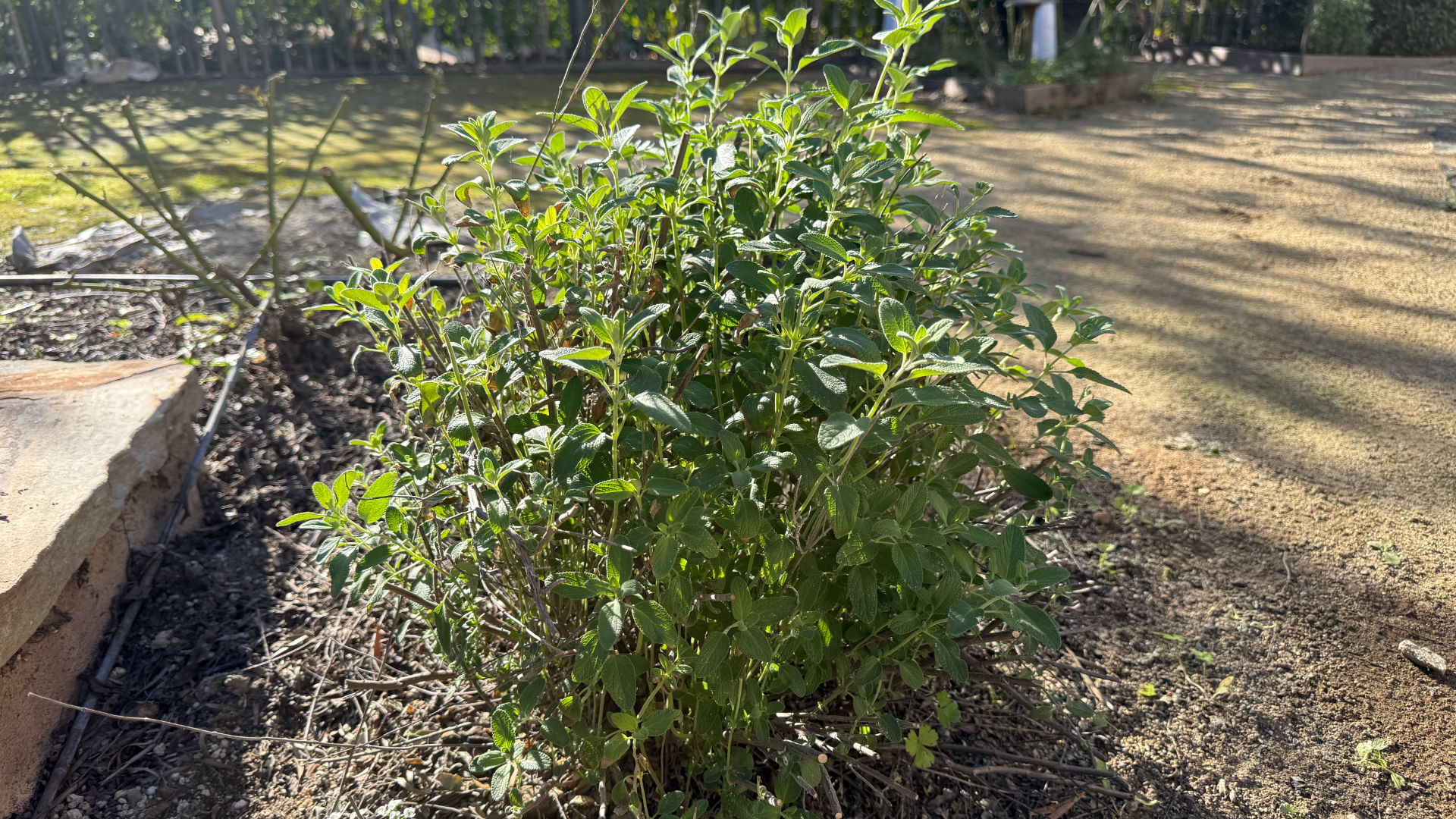
Most perennials are dormant in January, so the local nurseries don’t sell them. But there are a few early blooming perennials that are stunning and I buy those now. My favorite are the Marine Blue Salvias.
January is also a great time to buy Azaleas and Camelias to transplant.

monthly Gardening checklists
Enter your email address to get new gardening checklists every month.
What Crops To Plant in January
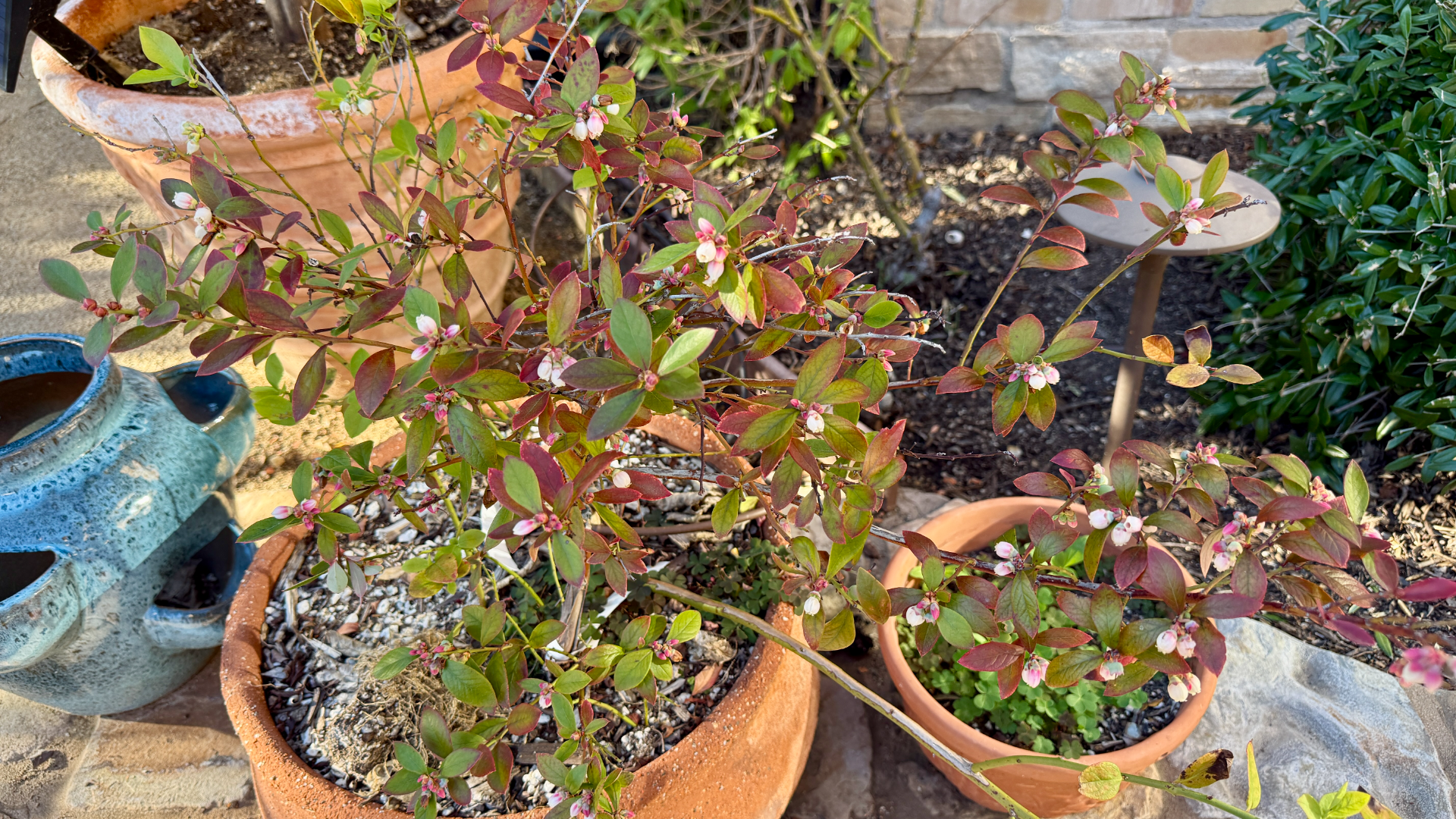
Plant These Fruits in January:
January is a great time for berries. Here are all the berries I’ve planted over the years.
- Blueberries
- Raspberries
- Blackberries
- Boysenberries
- Strawberries (bare root preferred)
Plant These Vegetables in January:
In Southern California, you can easily get a second round of winter crops. Here are all the veggies you can plant in your winter garden.
- Kales
- Arugulas
- Letuces
- Broccolli
- Cauliflower
- Cabbage
- Shallots, Short-Day Onions, Garlic
- Artichokes
Plant These Seeds in January:
- Radish
- Rutabega
- Carrots (Short)
- Beets”
- Herbs “Cilantro
- Dill
- Parsley
- Tarragon
- Chives
- Thyme
- Rosemary
- Oregano
- Mint
- Sage
- Lemongrass
What Garden Pests To Watch Out For In January
After the rains, snails and slugs are on the move. Now’s a good time to add Sluggo down to keep them at bay. Apply this natural pesticide weekly until they’re gone.
And finally, if your winter garden is filled with leafy greens, you’ll probably see a bunch of cabbage worms. For this, I use Spinosad – a natural pesticide.
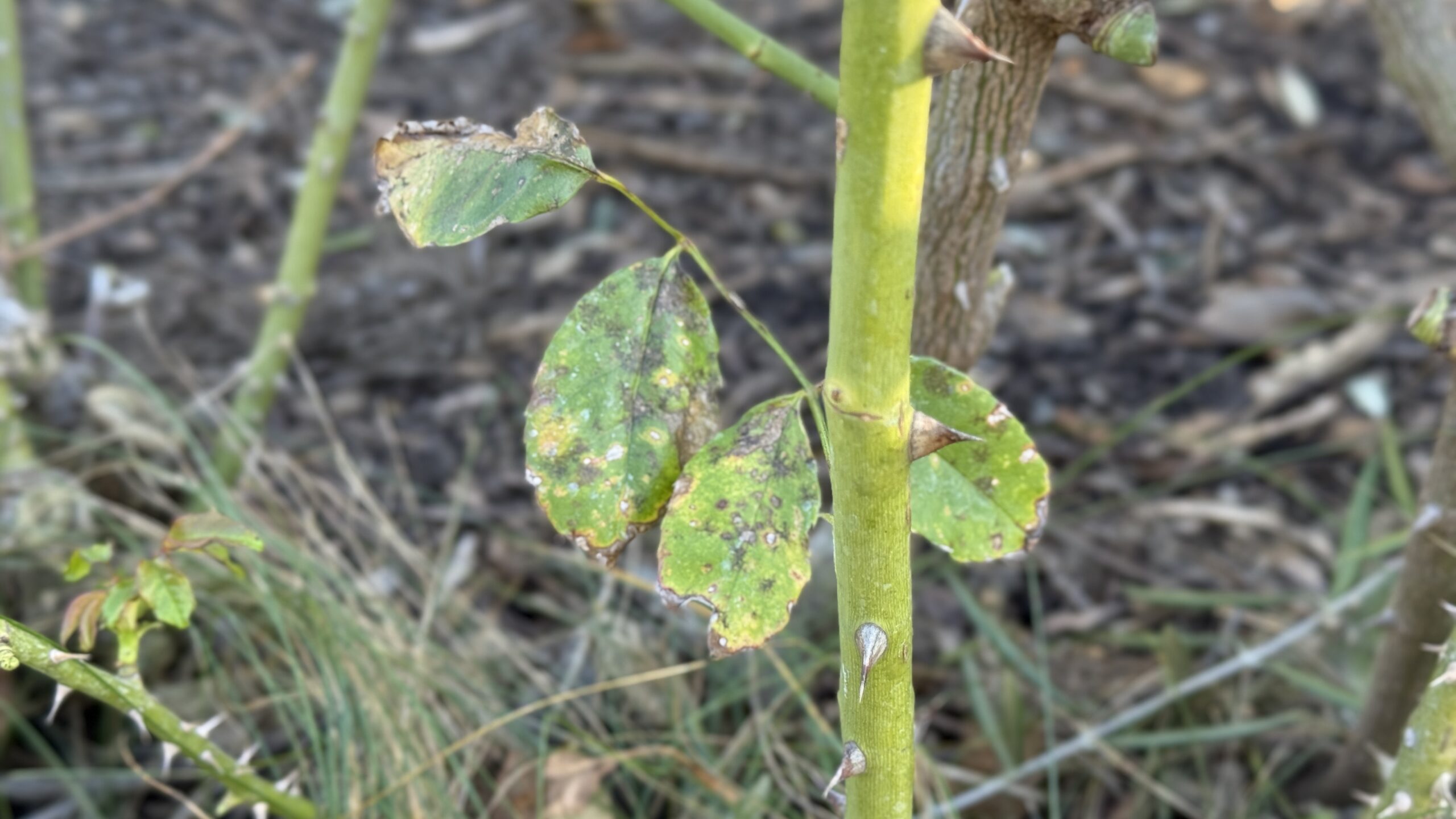
Mildew, rust, and fungus can easily over winter in your garden. So, I spray all of my fruit trees, and roses every January while the plants are still dormant. Copper spray works, but it has an early expiration date, so instead, I use an all seasons oil spray and fungicide. Apply them to all of your grapes, roses, apples, grapes, and stone fruits (i.e. peaches, nectarines, apricots, and plums) at least once a year.